Once an attacker is inside a flat network, movement is easy. Segmentation changes that by dividing the environment into zones based on function and sensitivity, allowing only the traffic that is genuinely required, and logging every crossing. The purpose is not to build walls for their own sake but to remove the quiet, unused paths that turn one compromised host into a widespread incident.
How we segment
- Discover current flows so the design reflects reality rather than assumption.
- Group systems into zones by business function and data sensitivity.
- Define explicit, documented rules for traffic between zones.
- Apply the same logic to user and administrative access, not only server-to-server traffic.
- Log denied and unusual crossings as a detection signal.
- Retire legacy flat paths in controlled phases.
Discovery comes first because guessed segmentation breaks production. We observe actual traffic patterns, identify the conversations that matter, and only then write rules. Where we cannot see everything, we proceed conservatively and expand coverage in stages, watching for the unintended consequences that always appear somewhere in a complex environment.
Deny by default, allow by exception
Zones communicate only where a documented business need exists. Every allowed path has an owner and a reason, and it is reviewed periodically so that stale permissions do not accumulate. New systems are placed in a zone deliberately, with their required flows defined, rather than being dropped into a permissive default. This discipline is what keeps segmentation meaningful over time.
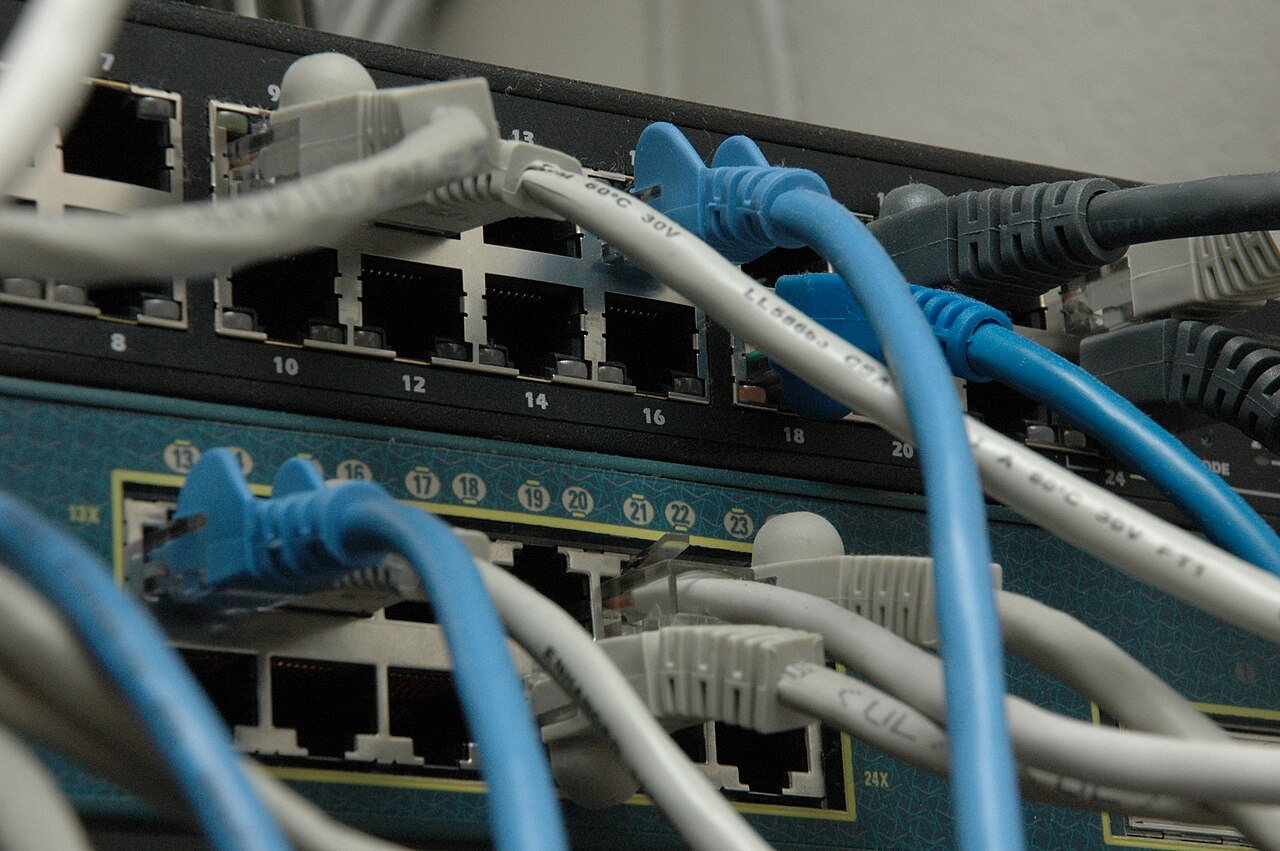
Segmentation also strengthens the value of monitoring. When the environment is divided into expected patterns, anomalies stand out. A workstation suddenly attempting to reach a database zone is no longer lost in a sea of legitimate traffic; it is a clear signal worth investigating. That combination — reduced paths plus clearer signals — is why segmentation is one of the most durable investments in an access program.
Living with segmentation
A segmented network needs care to stay useful. Projects introduce new systems and new flows; changes must go through a documented path so the rule set stays coherent. We build the levers that make this routine: naming standards, a zone map that is kept current, a review cadence, and reports that show rule usage so unused permissions can be retired. Over time the zone map becomes the clearest expression of how the business actually uses its systems.
If your organization has grown through a series of projects without a deliberate network design, segmentation will surface both risks and opportunities. We handle it in phases, with production safety first and a documented end state. The result is an environment where reach is intentional and lateral movement is far harder to achieve quietly.